Lime Mortar Pointing for Period Homes
Your mortar joints do more than hold the building together. In a pre-1920 home, they are one of the primary routes for moisture to escape. The right pointing keeps that process working.
-
Traditional Lime Mortar Services
-
Heritage Property Experts
Why Lime Mortar Pointing Matters in Older Buildings
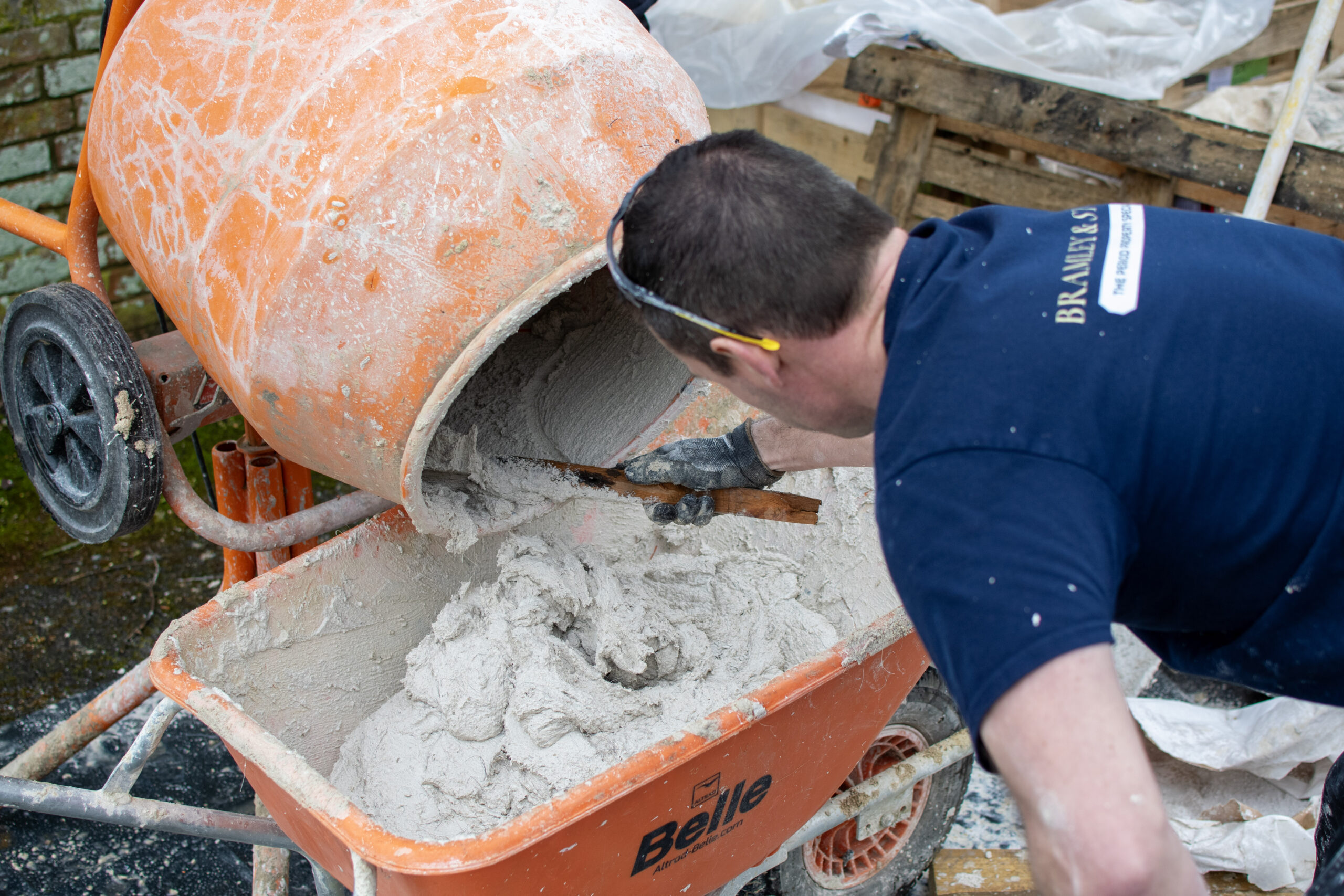
Lime mortar is softer than the surrounding brick or stone by design. It absorbs movement and lets moisture escape through the joints. Cement does the opposite. It is rigid, non-breathable, and forces moisture through the masonry, causing:
-
Brickwork cracking and flaking
-
Stone erosion around cemented joints
-
Moisture trapped inside the wall unable to escape
-
Accelerated decay of the masonry you are trying to protect
Traditional lime mortar repointing restores the correct balance between joint and masonry.
Signs Your Period Property Needs Repointing
Why Cement Pointing Damages Period Masonry
What We See in Most Period Homes
- Hard cement pointing on soft lime-built masonry
- Joints raked out too aggressively, damaging the brick or stone
- Ribbon or strap pointing sitting proud of the masonry face
- Cement applied over original lime mortar without removal
How We Restore It Properly
- Careful removal of cement using hand tools to protect the masonry
- Lime mortar specified to match the original in strength, colour, and texture
- Joints filled to the correct depth and profile for the wall type
- Breathable lime mortar that manages moisture
How We Approach Lime Mortar Repointing
Heritage Survey
We survey the building to assess the masonry condition, identify where repointing is needed, and determine where the original mortar can be retained.
Mortar Specification
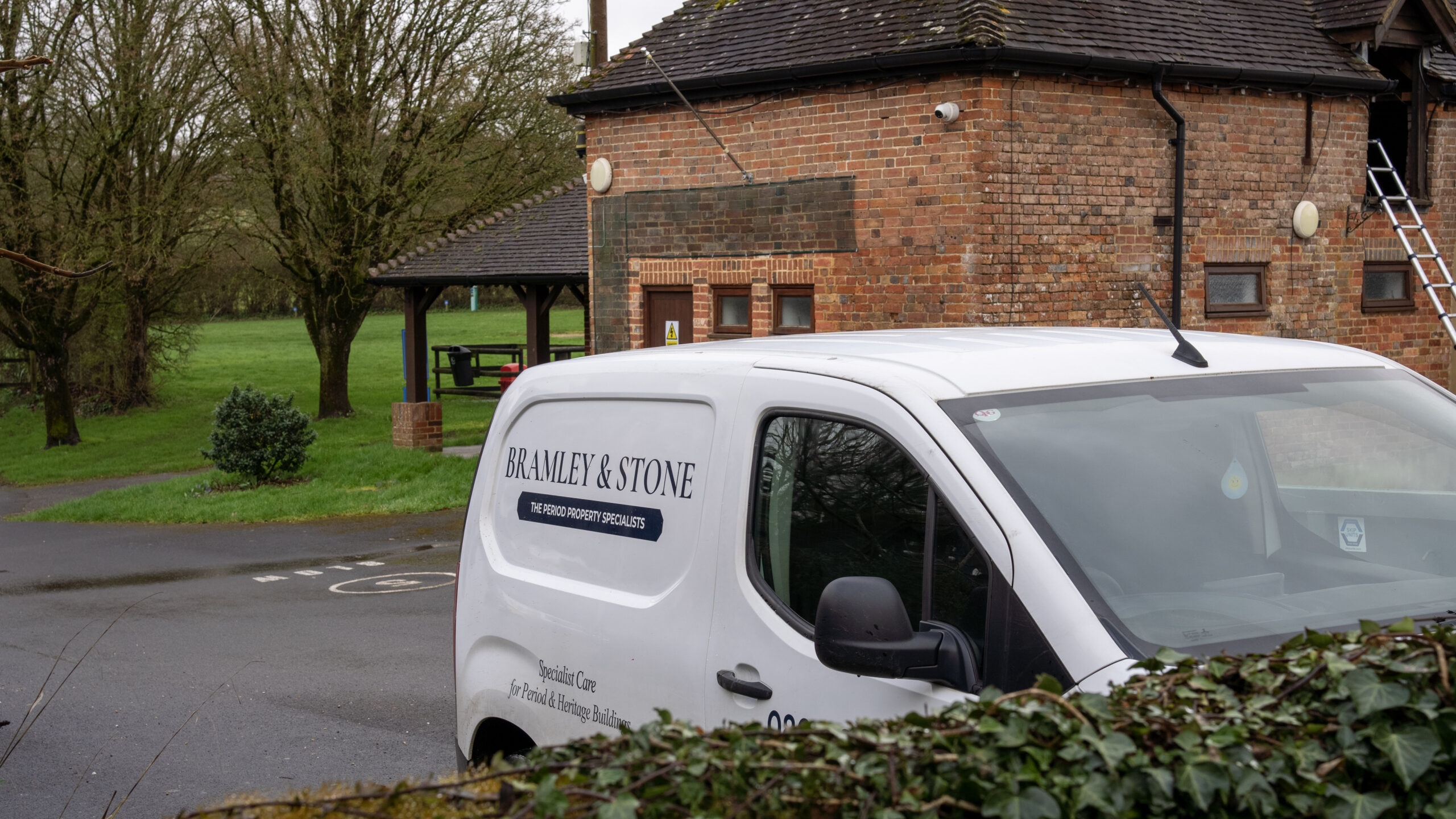
We specify a lime mortar mix matched to your building’s original materials, colour, and exposure to the elements.
Careful Cement Removal
Existing cement is removed by hand to protect the surrounding brick or stone. This is precise, patient work.
Traditional Repointing
Lime mortar is pressed into each joint and finished correctly. The result is a joint that breathes and lasts.
1,500+ Period Properties Repaired • Checkatrade Approved
Traditional Lime Pointing Services
-
Full lime repointing for brick and stone walls
-
Careful removal of hard cement pointing
-
Lime mortar matched to your original joints
-
Small-area repointing where joints have failed
-
Repointing as part of wider restoration works
-
Lime mortar repairs to garden and boundary walls
-
Lime repointing for chimneys
Start With a Detailed Survey for Your Heritage Property
Tell us about your property and what you have noticed with the mortar joints or masonry. We will arrange a time to assess the building and explain what it needs.
Lime Mortar Pointing Frequently Asked Questions
Common questions about lime mortar repointing for older buildings, answered by our heritage specialists.
Why is cement pointing bad for old buildings?
Cement is harder than most period brick and stone. It forces moisture through the masonry rather than allowing it to escape through the joints. Over time, this causes the face of the brickwork or stone to crack, spall, and erode.
How long does lime mortar repointing last?
When specified and applied correctly, lime mortar pointing lasts decades. It is a long-term repair that works with the building’s natural movement.
Can you match the colour of my original mortar?
We specify the aggregate, lime type, and mix ratio to match the colour, texture, and character of your original mortar as closely as possible.
Does my whole house need repointing?
Rarely. Most properties need selective repointing on the worst-affected elevations or areas of failure. We assess the entire building and recommend only what is necessary.