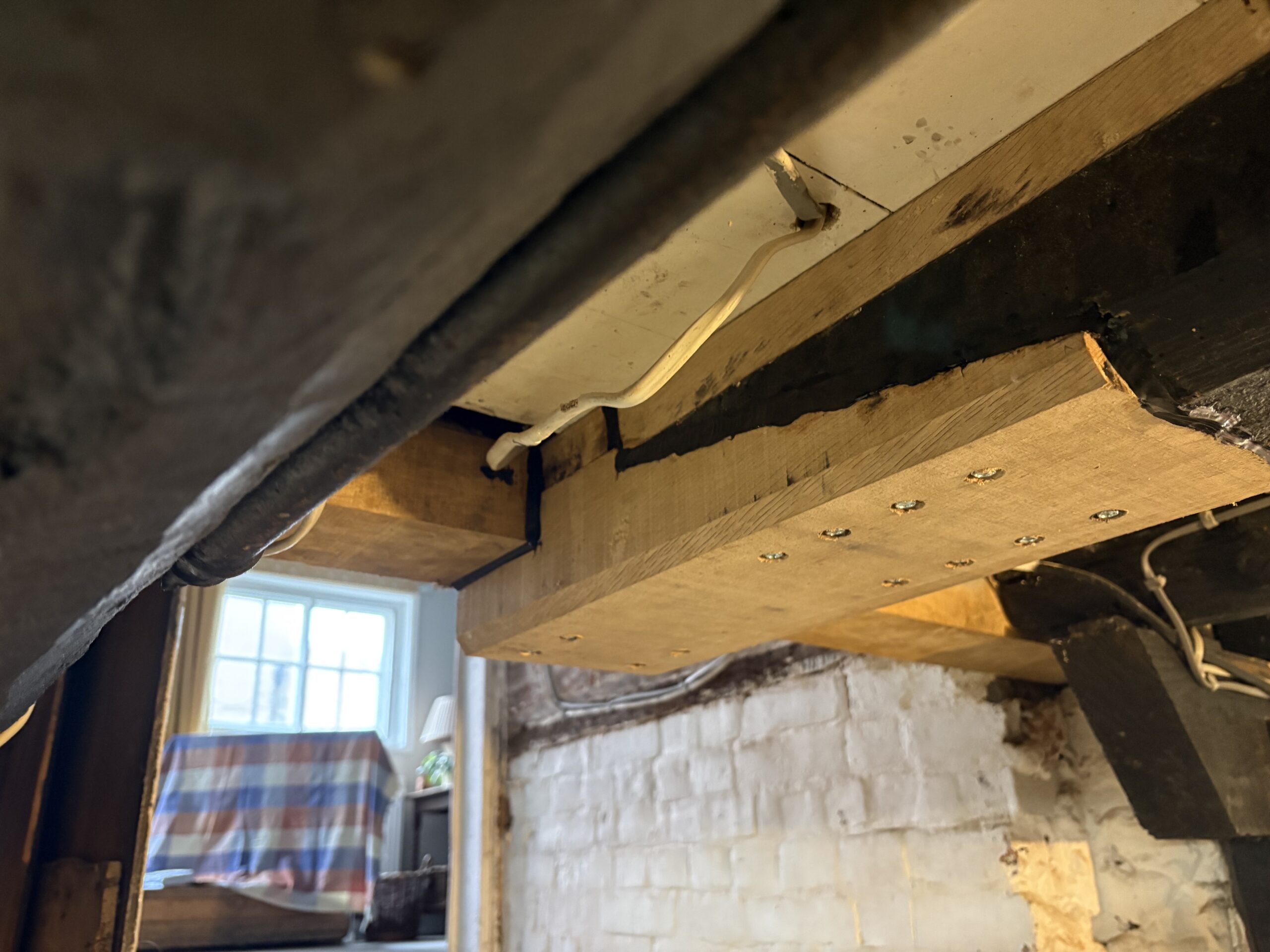
Heritage Timber Repairs for Period Homes
Timber in older homes tells you where moisture has been and how long it has been there. We assess the damage, trace the source, and repair what needs to be saved.
-
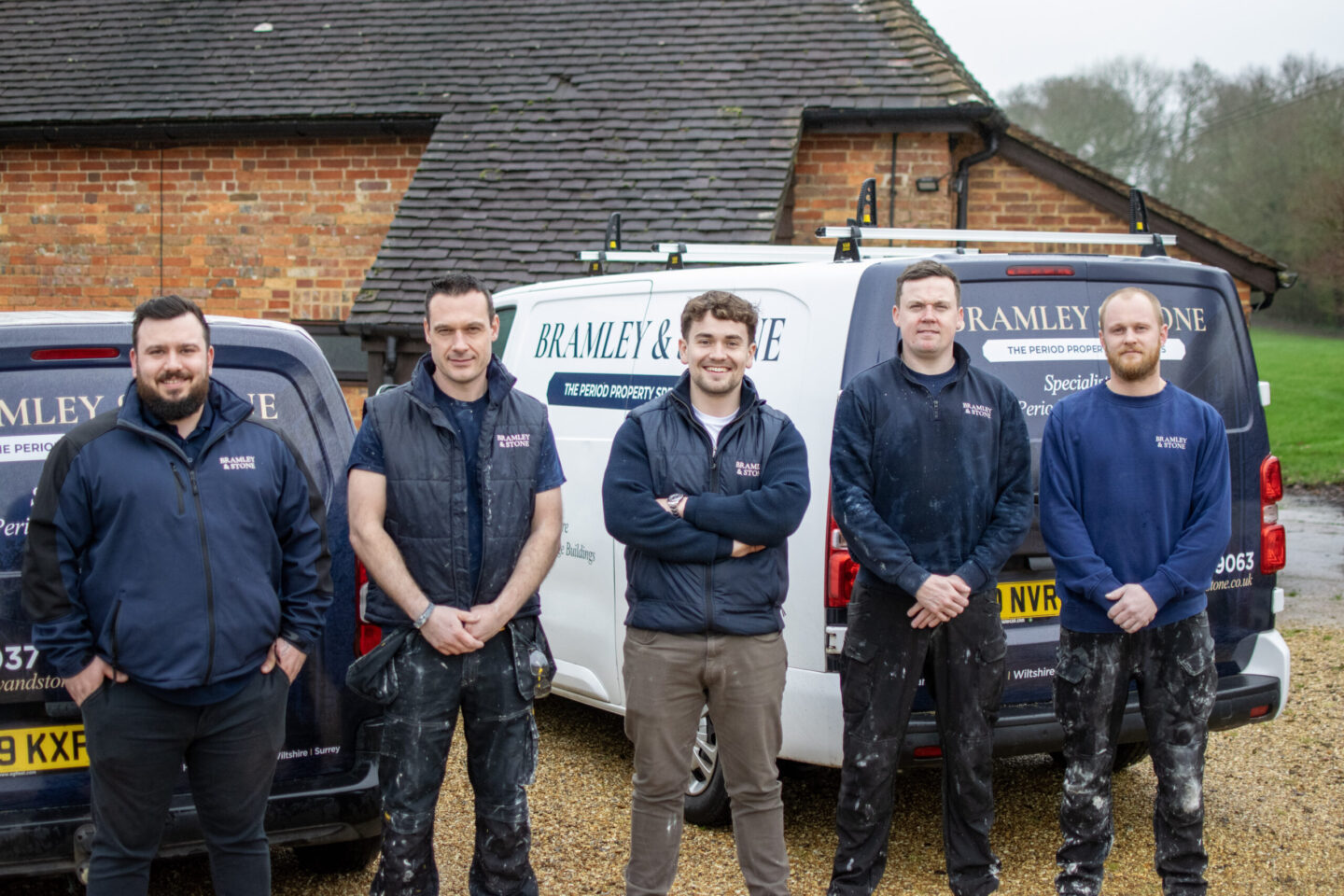
Specialist Timber Repair Team
-
Heritage Property Experts
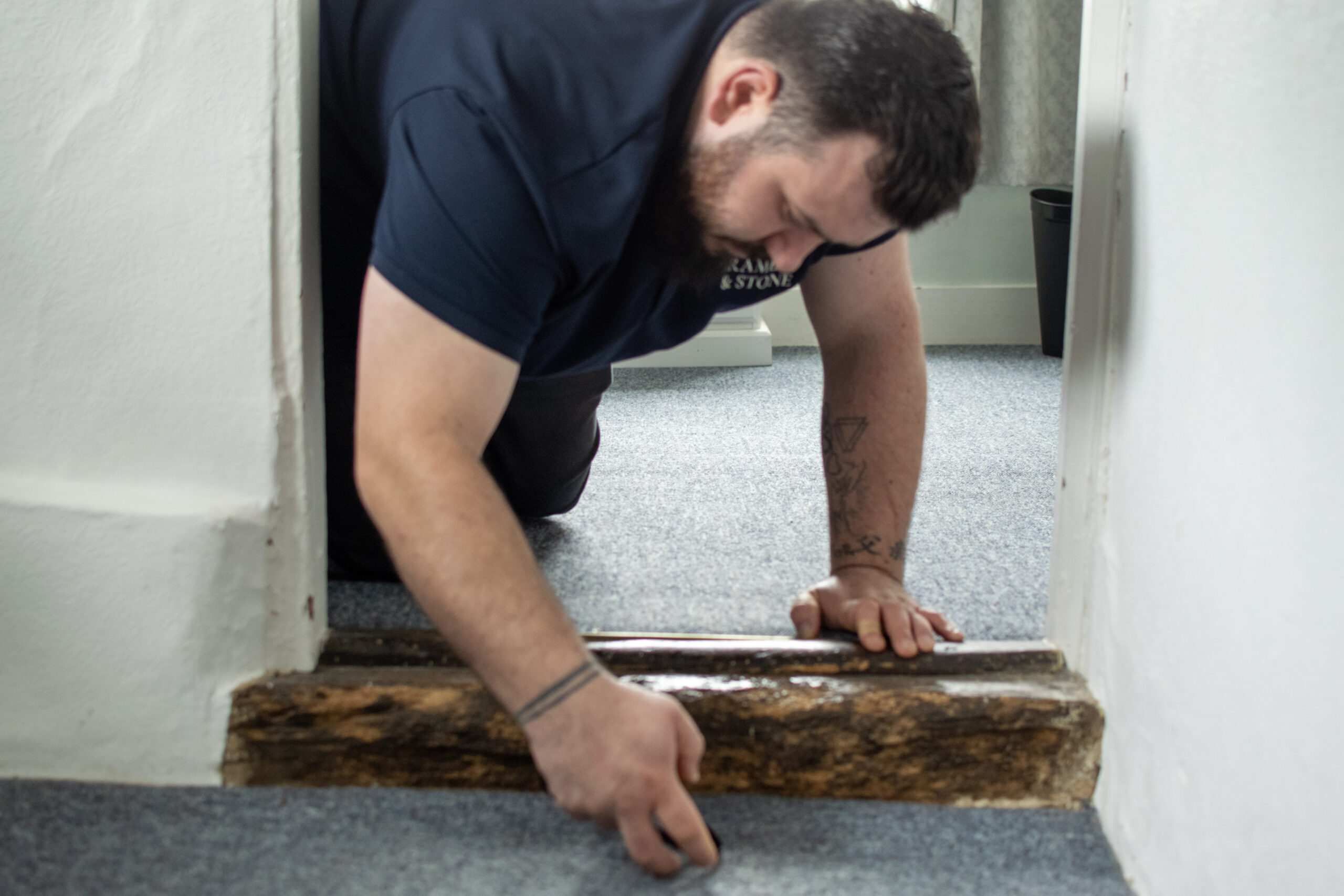
Why Timber Decay Happens in Pre-1920 Homes
Timber does not rot on its own. It needs moisture. In a period property, that moisture usually comes from a specific source, and treating the timber without resolving the source means the decay comes back. Common causes include:
-
Trapped damp in walls sealed with cement or gypsum
-
Poor or blocked subfloor ventilation beneath timber floors
-
Raised external ground levels holding moisture against floor timbers
-
Leaking rainwater directing water into the building
Rot and decay is a symptom. Until the moisture source is identified, any repair is temporary.
Signs of Timber Damage in Your Period Home
Why Standard Timber Treatments Often Fall Short
What We Find in Most Heritage Homes
- Timber treated without identifying where the moisture comes from
- Damaged wood replaced with unsuitable or unseasoned timber
- Subfloor ventilation ignored while treating the floors above
- Cosmetic repairs that overlook structural damage
How We Handle Timber Repairs Differently
- Moisture source found and resolved before timber work
- Damaged sections cut back and repaired correctly
- Subfloor ventilation assessed and restored where needed
- Original timber preserved using resin and splicing
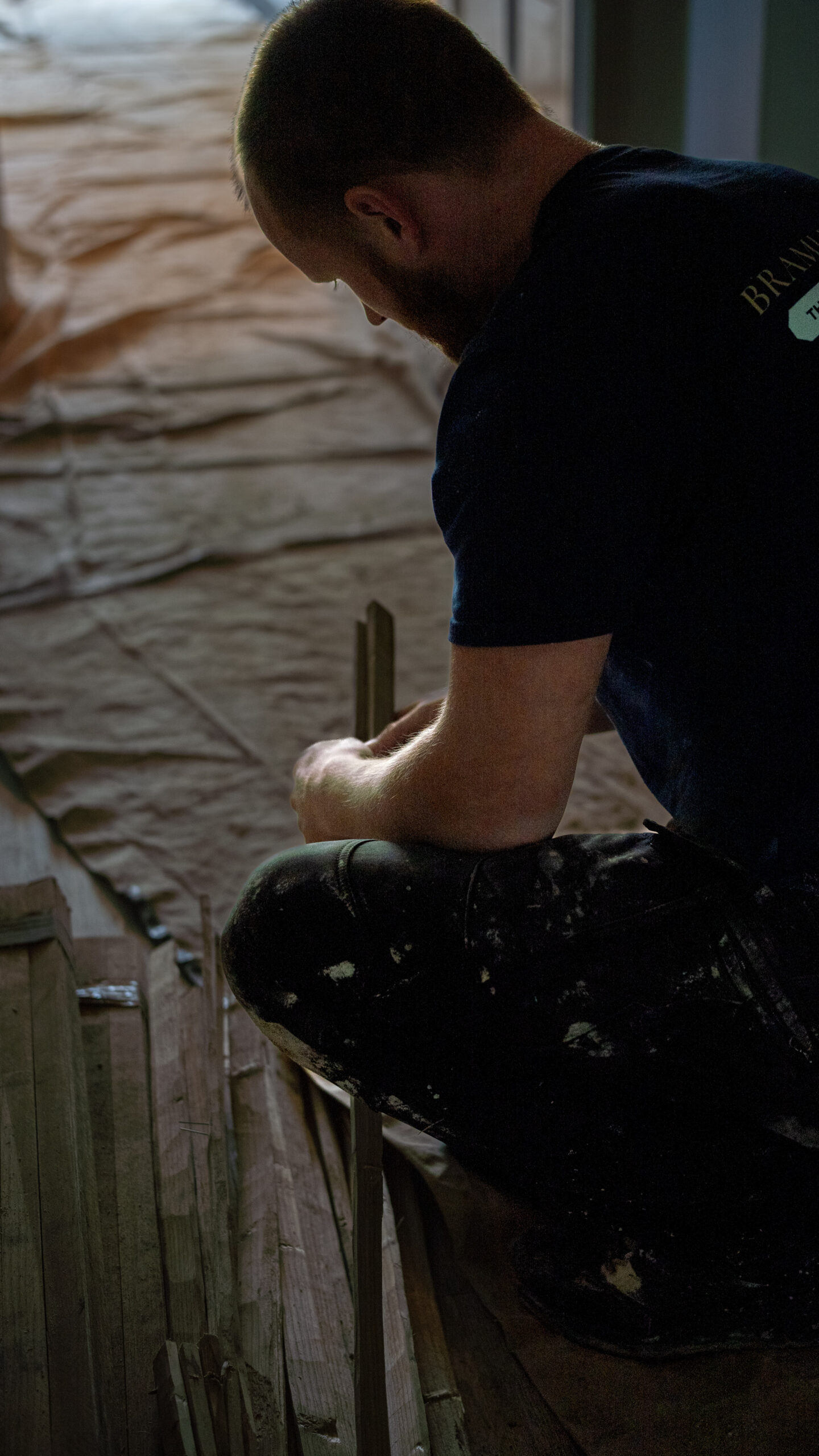
How We Approach Heritage Timber Repairs
Heritage Survey
A specialist surveyor examines the affected timber, checks moisture levels, and traces the source of the issue and why it occurred.
Diagnosis and Specification
We identify which timbers are structurally damaged, which have surface wear only, and what needs to happen to stop it.
Repair and Restoration
We preserve as much original timber as possible. Damaged sections are cut back to solid wood and repaired properly.
Moisture Source Resolution
The cause of the decay is resolved alongside the timber repairs. Ventilation restored, breathability reinstated, and future decay prevented.
1,500+ Period Properties Repaired • Checkatrade Approved
Recent Heritage Timber Repair Projects
We document every project. Browse recent work across Hampshire, Dorset, Surrey, Wiltshire, Somerset, and surrounding communities.
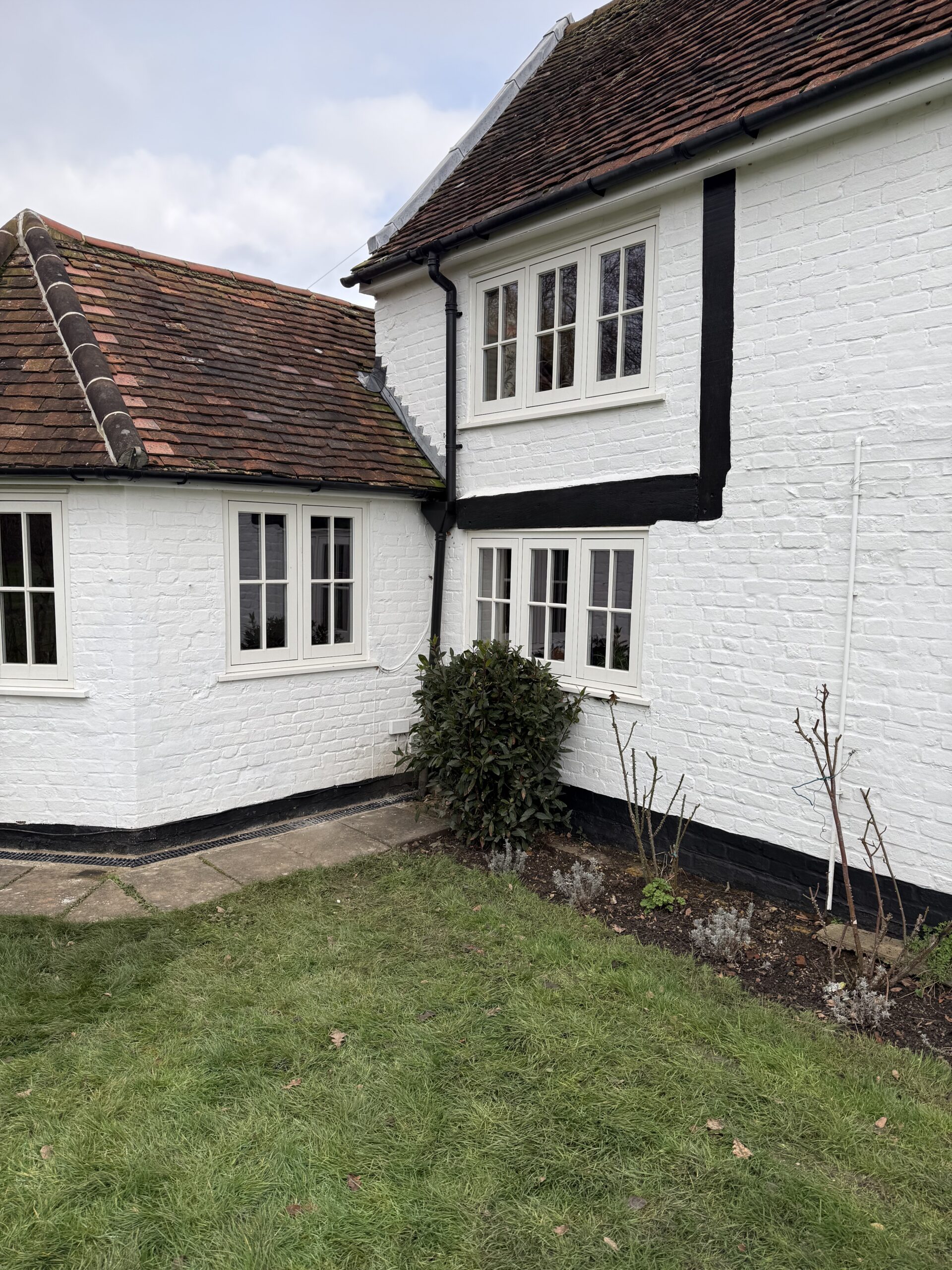
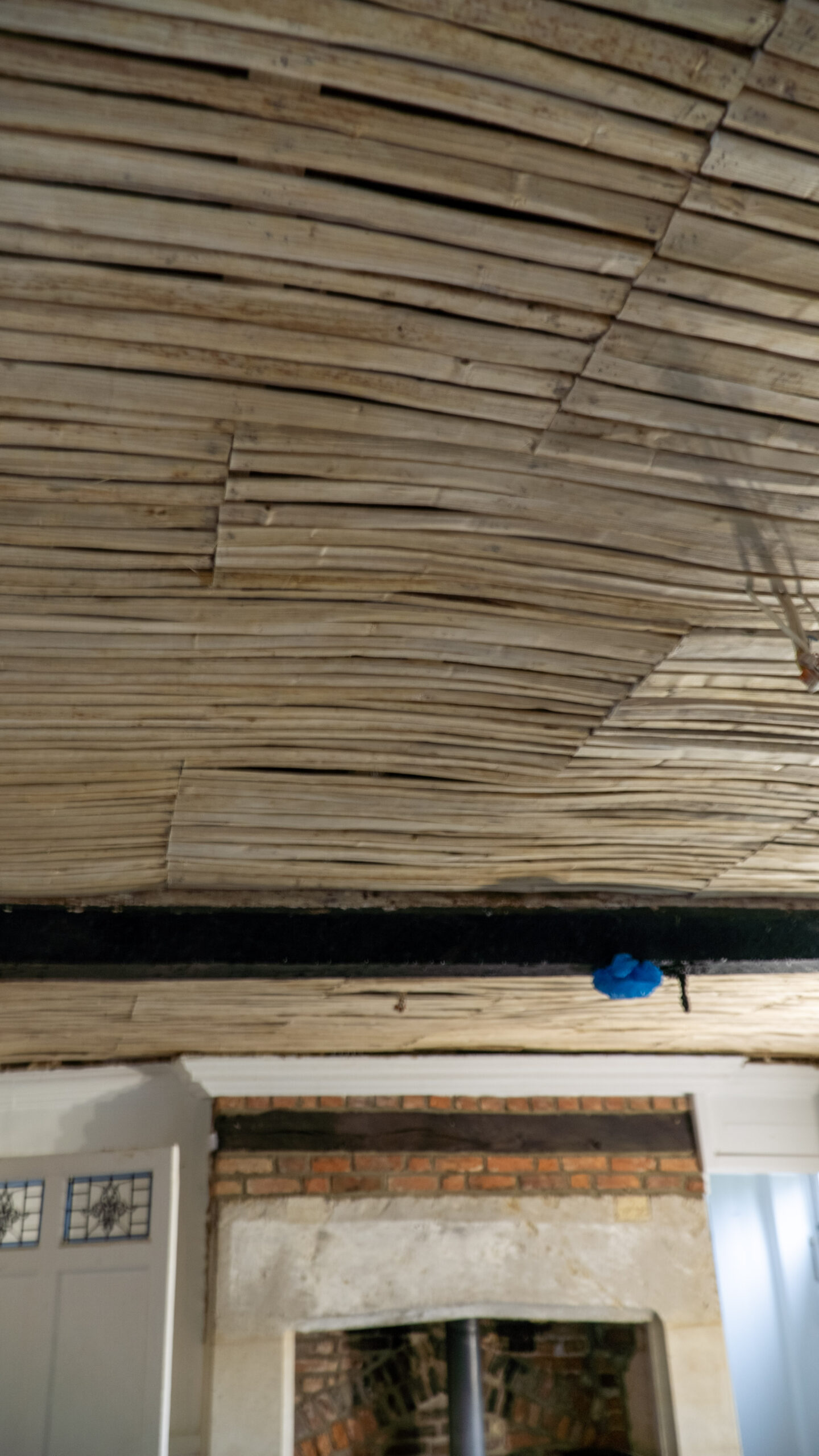
Traditional Timber Repair Services
-
Wet rot and dry rot diagnosis and treatment
-
Structural timber repairs using resin and splicing
-
Floor joist repairs and replacements
-
Subfloor ventilation checked and restored
-
Window and door frame timber restoration
-
Wood-boring beetle identification and treatment
-
Timber repairs within wider restoration projects
Start With a Detailed Survey for Your Heritage Property
Tell us about your property and what you have noticed with the timber. We will arrange a time to assess the damage and identify the cause.
Heritage Timber Repair Frequently Asked Questions
Common questions about timber decay and repairs in period homes, answered by our heritage specialists.
What is the difference between wet rot and dry rot?
Wet rot stays localised and stops when dried out. Dry rot spreads through masonry and timber and requires urgent treatment. Both need the moisture source resolved.
Can damaged timber be repaired or does it need replacing?
Where damage is localised, we use resin or splicing to preserve original timber. Full replacement is only recommended when structurally necessary.
How do I know if beetle damage is active?
Fresh holes with fine dust beneath them indicate active beetle. Older holes without dust are usually historic. A heritage survey confirms this.
Why does the damp need fixing before the timber?
Timber decays because it is wet. Without resolving the moisture source first, new or repaired timber will eventually suffer the same damage.