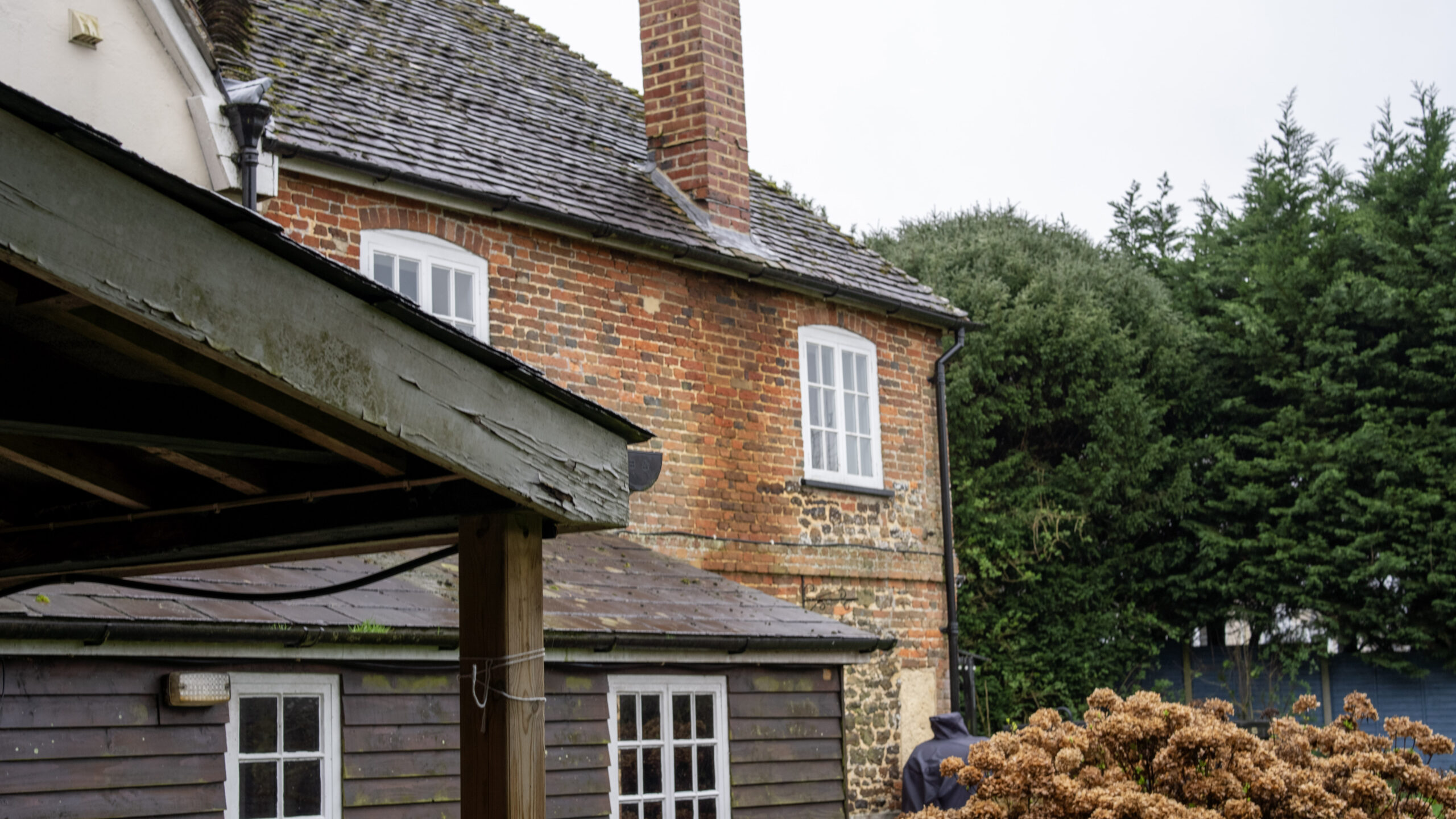
Damp Remediation for Heritage Properties
Fix damp in your period home using breathable, traditional materials that work with the building. We identify the cause, resolve it properly, and protect your property.
-
Trained Damp Remediation Team
-
Heritage Property Specialists
Why Damp Remediation is Different in Pre-1920 Homes
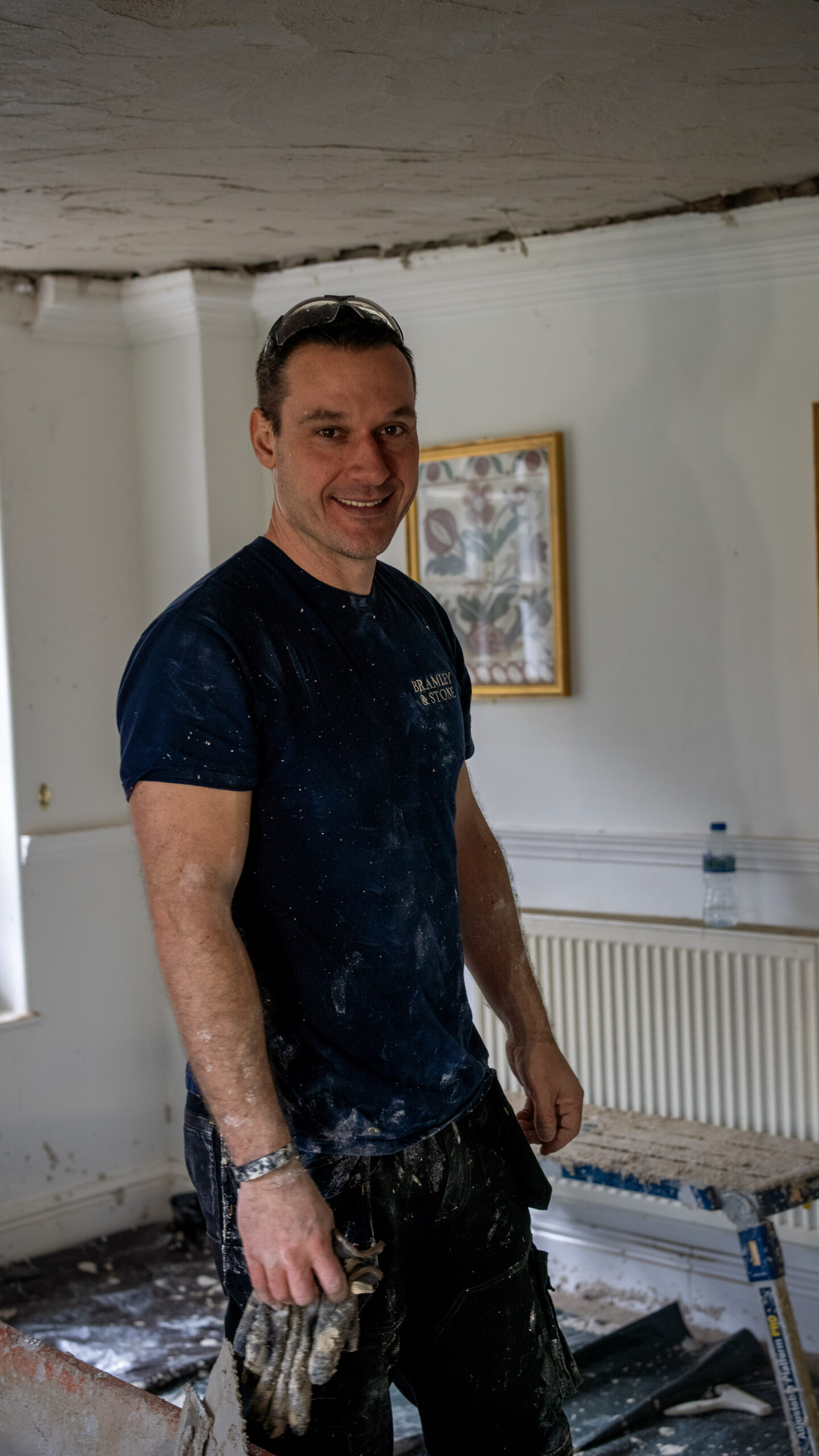
Older buildings manage moisture through their walls, floors, and ventilation. When modern materials or inappropriate repairs interrupt that process, moisture gets trapped inside the building with nowhere to go, leading to:
-
Damp That Keeps Coming Back Patches that reappear after redecoration or previous treatment. The surface has been treated but the cause has never been resolved.
-
Cold Walls That Never Feel Warm Walls that stay cold to the touch even with the heating on. Moisture trapped inside the masonry is drawing heat out of the room.
-
Crumbling Plaster or Blown Finishes Plaster that keeps failing, bubbling, or falling away from the wall. A sign that moisture is building up behind the surface.
-
Musty Smell That Lingers A persistent damp smell in certain rooms, regardless of ventilation. Moisture is sitting inside the building fabric with no route to escape.
Signs Your Heritage Home Needs Damp Remediation
Why Standard Damp Treatments Fail in Heritage Properties
What Most Damp Companies Recommend
- Chemical damp proof courses injected into solid walls
- Cement render and gypsum plaster sealing moisture inside
- Surface treatments applied without diagnosing the root cause
- Tanking and membranes that hide the problem
How We Remediate Damp Properly
- A heritage survey to identify where moisture is entering
- Breathable lime plaster, render, and mortar to restore the building
- The cause resolved, not masked with modern materials
- Ventilation assessed and reinstated where needed
How We Approach Damp Remediation
Heritage Survey
A specialist surveyor assesses your property, traces the source of moisture, and identifies which previous treatments or materials are making it worse.
Diagnosis and Specification
We identify the root cause and specify the remedial works. You receive a clear written report and quotation in plain English.
Traditional Remedial Works
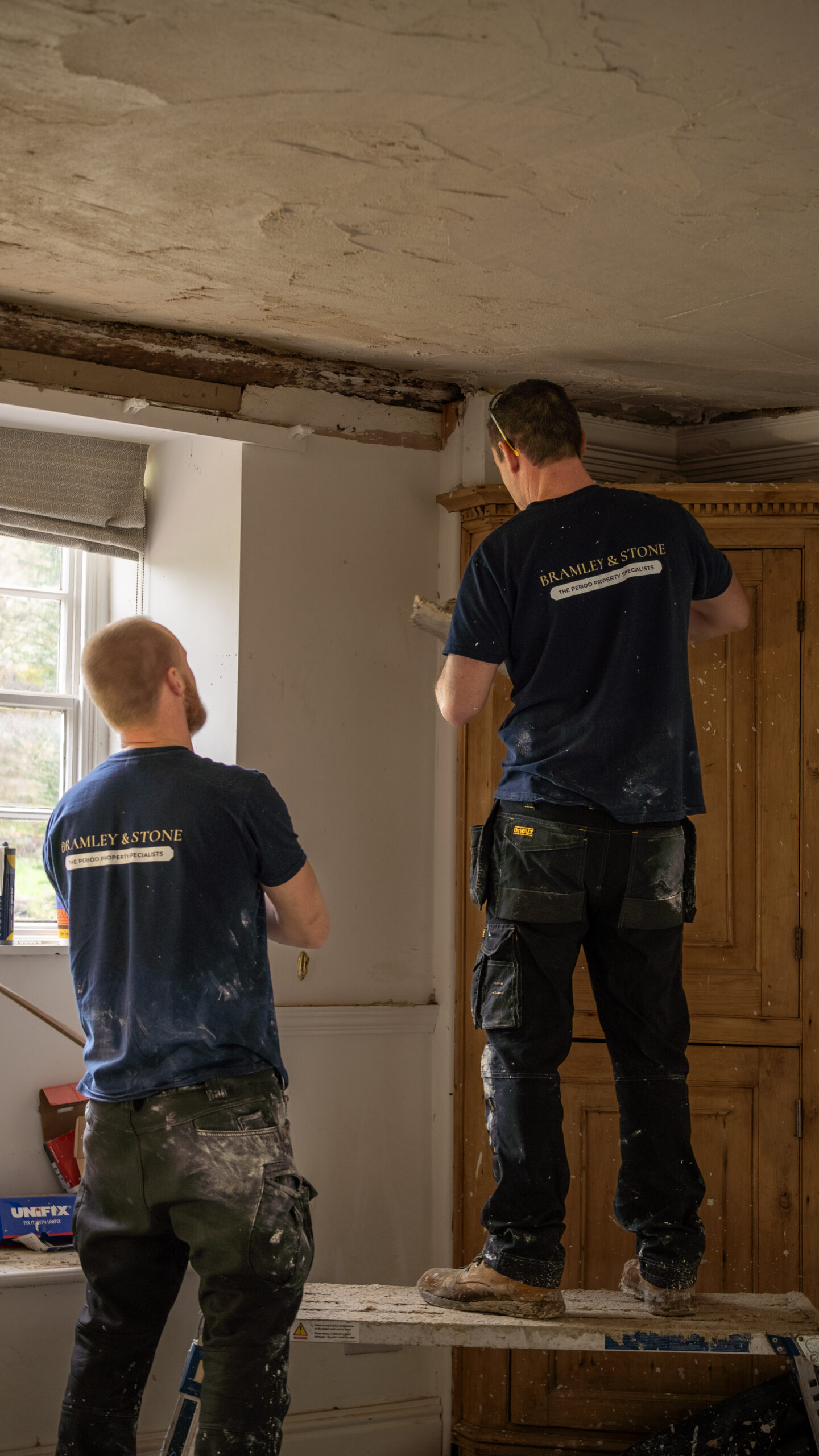
Our specialist team carries out the agreed works using breathable materials. This includes lime plaster, lime mortar, lime render, and more.
Long-Term Protection
A period home that breathes, stays dry, and manages moisture as it was designed to. Qualifying works are backed by our 10-year workmanship promise.
1,500+ Period Properties Repaired • Checkatrade Approved
Damp Remediation Services for Period Homes
-
Full damp investigation and heritage survey
-
Damp remediation integrated with wider restoration works
-
Lime plaster replacement on internal walls
-
Lime mortar repointing to external masonry
-
Lime render replacement on outside walls
-
Careful removal of failed plaster and cement finishes
-
Subfloor ventilation checked and restored
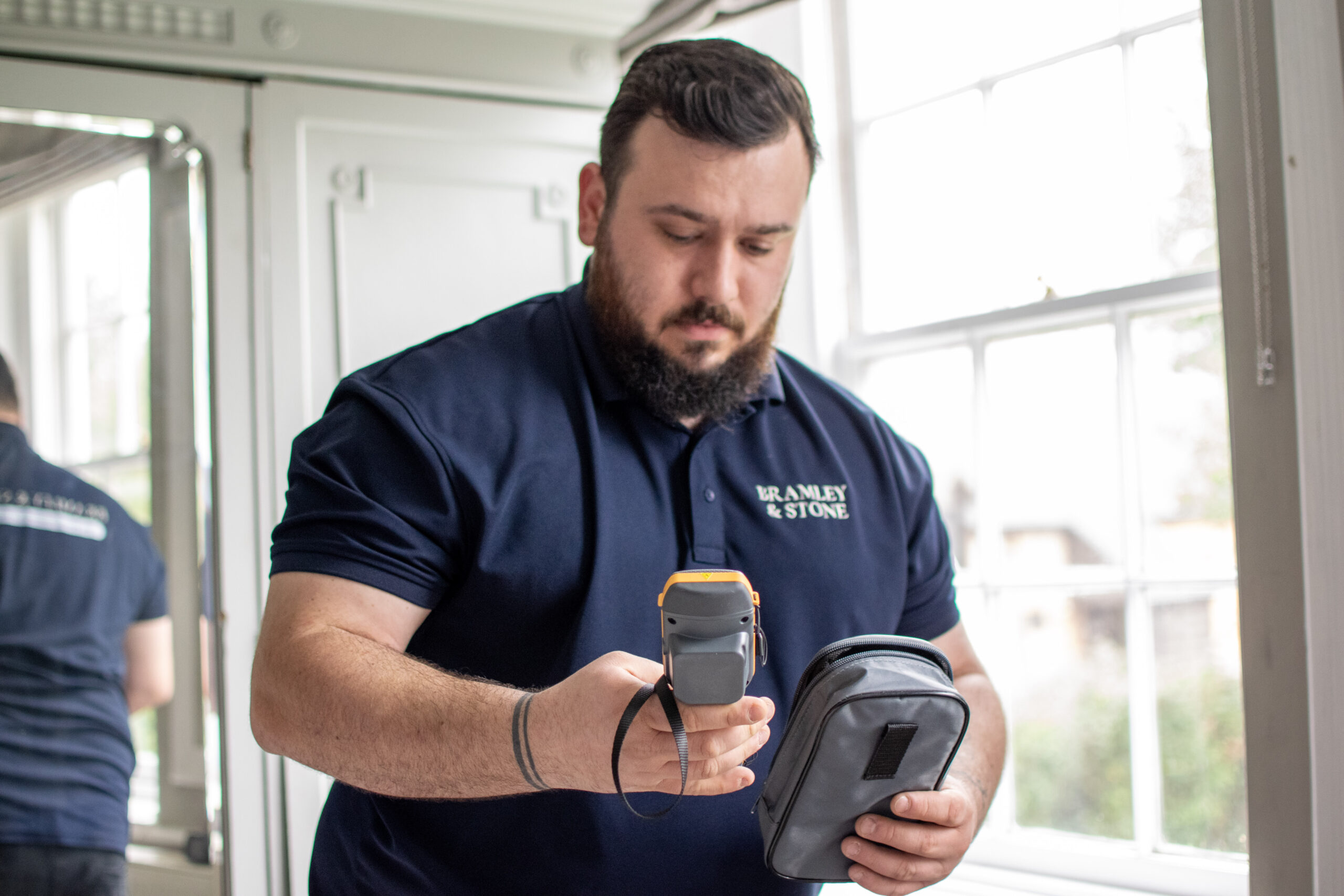
Start With a Detailed Survey for Your Heritage Property
Tell us about your property and what you are experiencing. If appropriate, we will book the relevant type of survey at your property.
Damp Remediation Frequently Asked Questions
Common questions about damp remediation in period homes, answered by our heritage property specialists.
Why does damp keep coming back after treatment?
Most standard treatments seal moisture inside the wall rather than letting it escape. Until traditional, breathable materials are restored and the source is resolved, the
damp returns.
Is damp remediation different for older buildings?
Pre-1920 homes need breathable materials and methods suited to solid wall construction. Standard damp proofing is designed for modern cavity walls and often
causes further damage.
How long does damp remediation take?
It depends on the scope of work. A single room may take one to two weeks. Larger projects are phased so completed areas are protected throughout.
Do I need a survey before damp remediation?
Always. The construction type, moisture source, and previous repairs all determine the correct approach. Without a survey, you risk treating the symptom and missing the cause.