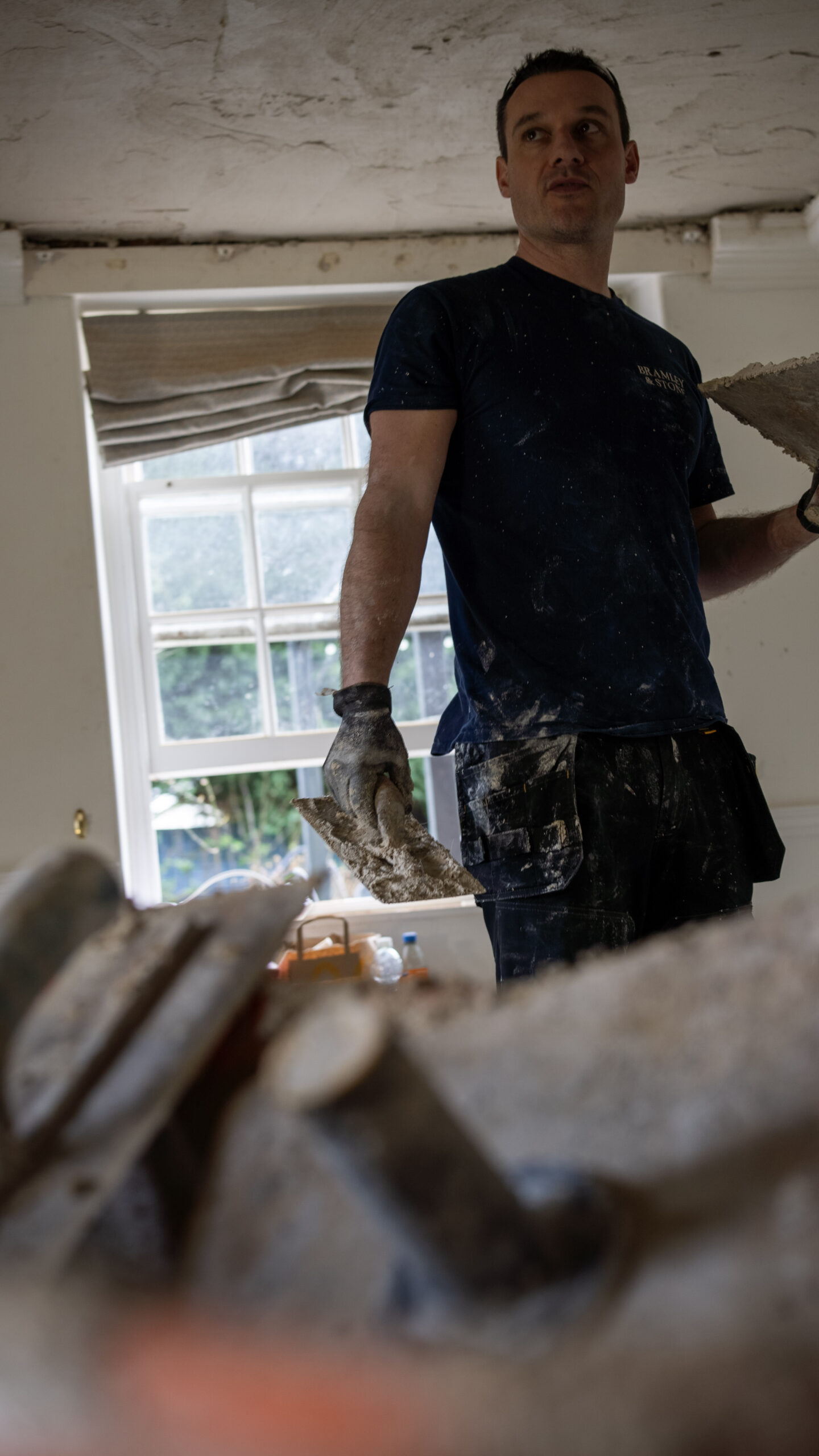
Lime Plastering for Period Homes
The traditional internal finish your solid walls were designed for. Lime plaster lets moisture pass through and evaporate safely, keeping your heritage home warmer, drier, and protected.
-
Traditional Lime Plasterers
-
Heritage Property Specialists
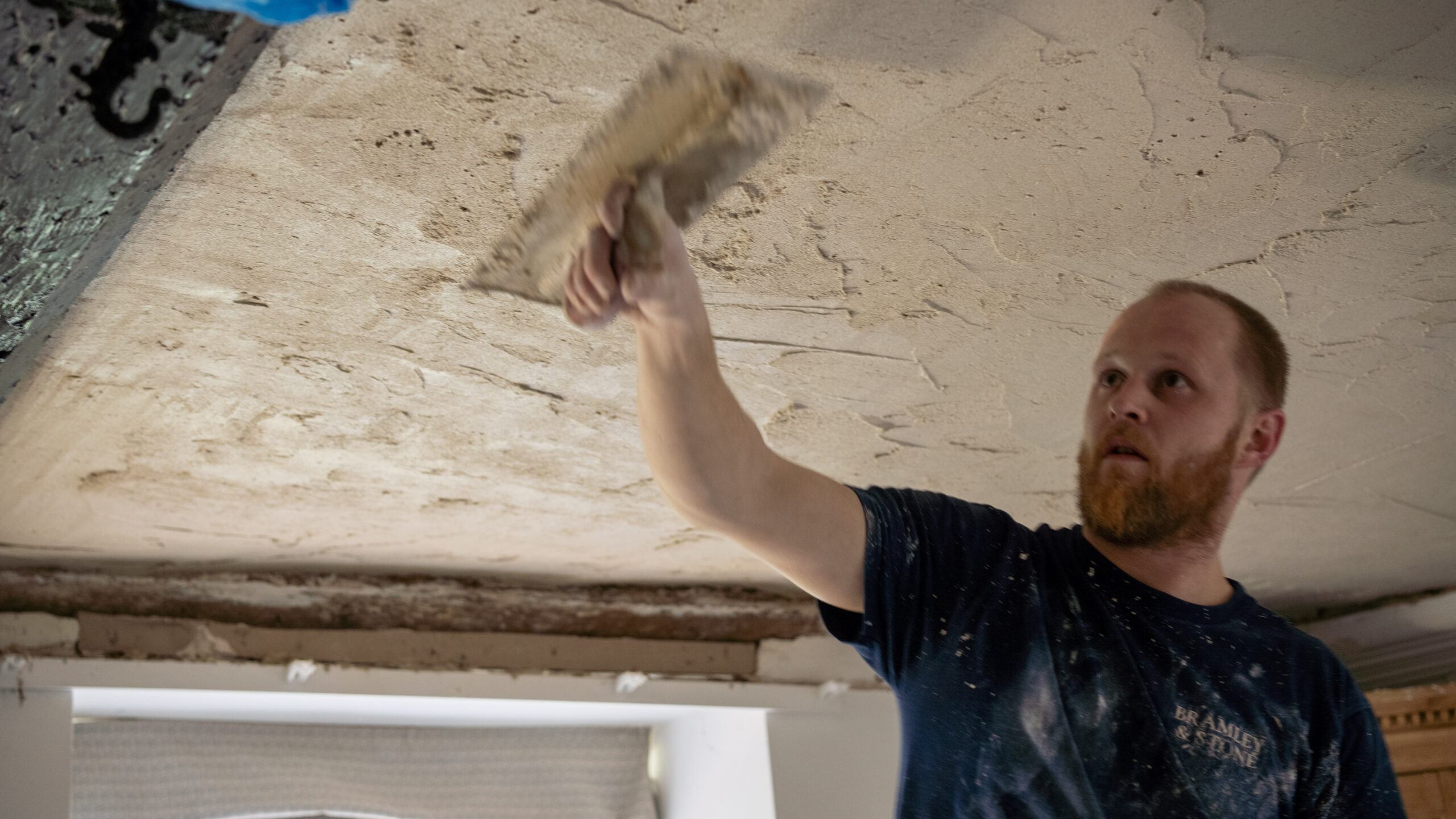
Why Lime Plaster Matters in Traditional Buildings
Solid walls manage moisture by absorbing it through the masonry and releasing it through the internal surface. That process only works when the plaster is breathable.
Gypsum plaster and vinyl paints seal that surface, which means moisture gets trapped inside the wall with nowhere to go, leading to:
-
Cold walls that never fully dry
-
Black mould forming behind sealed finishes
-
Plaster that keeps crumbling and blowing
-
Timber damage where joists meet wet masonry
Lime plaster is a traditional method that restores your wall’s ability to breathe.
Signs Your Walls Need Traditional Lime Plaster
Why Modern Plaster Fails on Solid Walls
What Causes Plaster to Fail
- Gypsum plaster applied directly to solid masonry
- Cement render used as a base coat on breathable walls
- Vinyl paints sealing the finished surface
- Repeated redecorating without addressing the cause
What Your Walls Need Instead
- Lime plaster that allows moisture to pass through and evaporate
- Correct masonry preparation before any plaster is applied
- A heritage survey to identify the cause before work begins
- Breathable limewash or mineral paint finishes
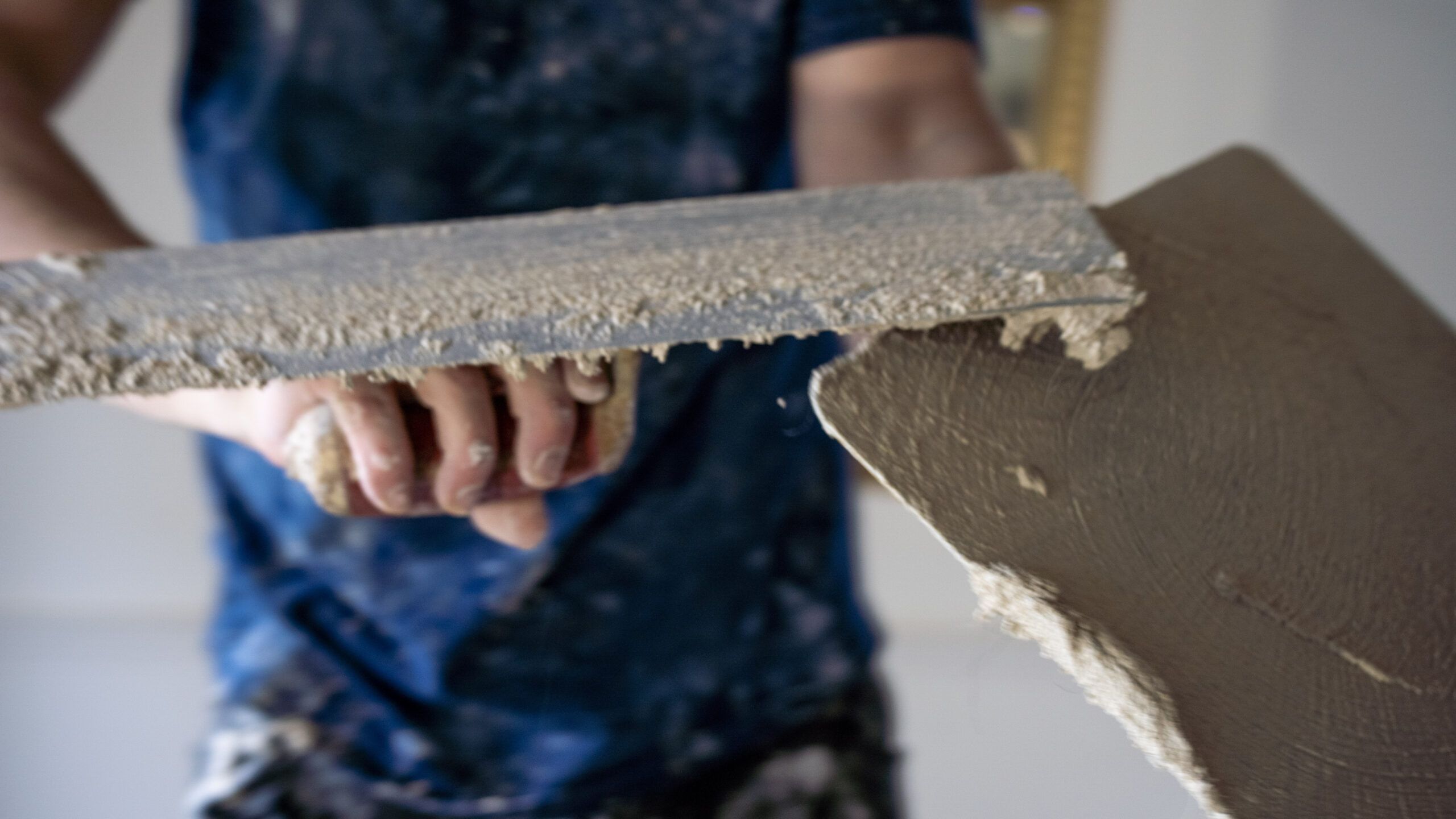
How We Approach Lime Plastering
Heritage Survey
A specialist surveyor assesses your walls, moisture levels, construction type, and the previous finishes applied.
Preparation and Specification
Failed plaster is removed, the masonry is prepared, and the correct traditional lime mix is created for your wall type.
Traditional Application
Each coat is applied by hand. Multiple layers built up over time, allowing proper curing between each application.
Finished Result
Walls that breathe, regulate moisture, and feel warmer. A long-lasting traditional finish that fits your period home.
1,500+ Period Properties Repaired • Checkatrade Approved
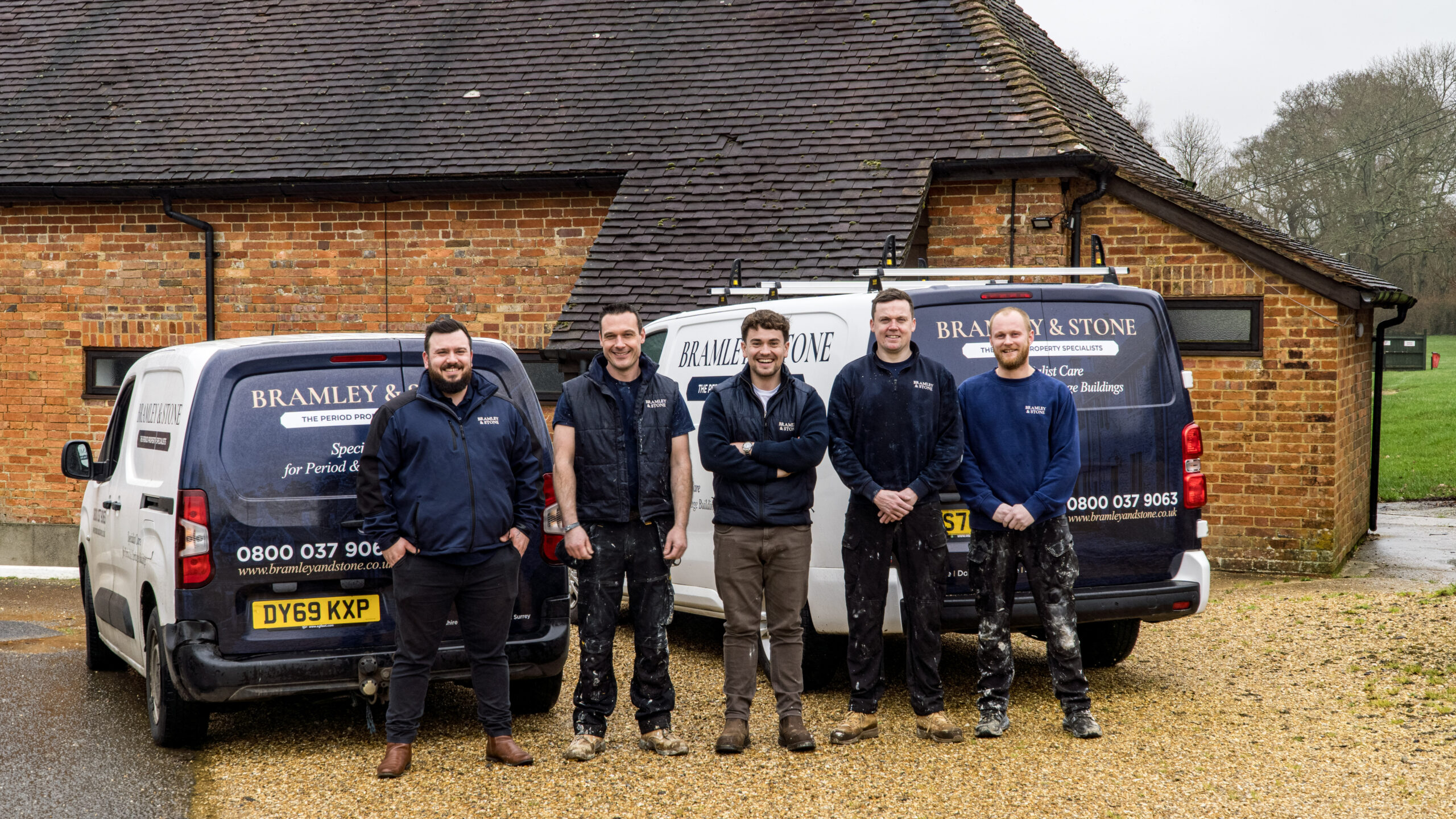
Traditional Lime Plastering Services
-
Full lime plaster replacement on solid walls
-
Removal of failed gypsum and cement finishes
-
Lime basecoat and finishing coat application
-
Breathable limewash and mineral paint finishes
-
Lime plastering within wider heritage restoration projects
-
Patch repairs to original lime plaster
-
External lime render
Start With a Detailed Survey for Your Heritage Property
Tell us about your property and what you are experiencing. If appropriate, we will book the relevant type of survey at your property.
Lime Plastering Frequently Asked Questions
Common questions about lime plastering for period homes, answered by our heritage property specialists.
Is lime plaster worth the cost compared to gypsum plaster?
Gypsum on a solid wall traps moisture and fails repeatedly. Traditional lime plaster works with the wall, lasts longer, and prevents the cycle of crumbling, redecorating, and crumbling again. The investment reflects long-term protection.
How long does lime plastering take to complete?
Each coat needs time to cure before the next is applied. A typical room takes one to two weeks depending on wall condition and the number of coats required.
Will lime plaster fix the damp in my old house?
Lime plaster manages moisture better than modern plaster, but it does not resolve damp and decay on its own. The source needs to be identified first.
Do I need a survey before lime plastering?
Always. The condition of the masonry, the source of moisture, and the previous finishes all determine the correct recommendations.